A DESIGN BUILT TO LAST
Some furniture earns its place not through constant reinvention, but through quiet consistency. 15 years after its launch, the Theo range stands as an example of how a clear design idea, carefully developed and responsibly made, can remain relevant across changing interiors, uses and expectations.
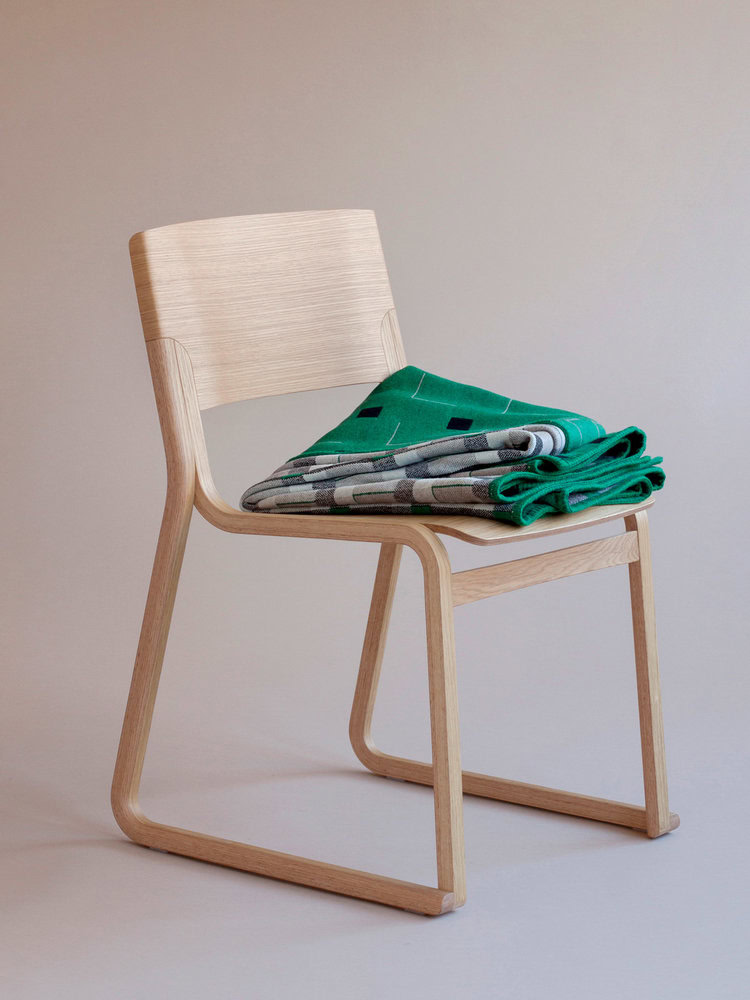
Theo began as a single wooden stacking chair, designed to solve a practical problem. What has followed is not a reinvention, but a steady expansion rooted in the same principles that shaped the original piece. Its longevity offers a useful lens through which to examine why certain furniture endures, and how sustainability can be a natural outcome of good design rather than an added feature.
DESIGNING WITH PURPOSE
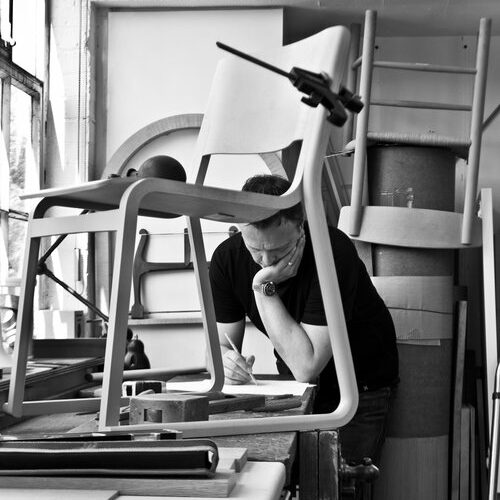
The original Theo chair was developed at a time when churches were rethinking how their spaces were used. Fixed pews were giving way to more flexible arrangements, allowing interiors to support community activities throughout the week. This shift created a need for seating that could be moved, stacked and handled frequently, often by volunteers, while remaining durable and visually restrained.
From the outset, Theo was designed as a stacking chair. This was not a technical requirement added late in the process, but a fundamental driver of the design. The chair needed to be light enough for regular handling, strong enough to withstand repeated use, and robust enough to remain in service for many years. These demands shaped every decision that followed.
MATERIAL CHOICE & SUSTAINABLE THINKING
One of the most significant decisions in the development of Theo was the move away from solid timber in favour of laminated wood. Solid timber sections capable of achieving the required strength would have resulted in a chair that was too heavy for everyday stacking and movement. Laminated timber offered a solution that aligned performance with practicality.
Lamination allows smaller sections to achieve greater structural strength, reducing material use while improving durability. It also introduces a subtle flexibility into the structure, which improves comfort and helps the chair absorb the stresses of frequent handling. This contributes directly to longevity, extending the usable life of the product and reducing the need for replacement.
Rather than sustainability being addressed through surface level claims, it is embedded in how Theo is made and how it performs over time. A chair that lasts longer, remains useful, and avoids unnecessary material is inherently more responsible.
MANUFACTURED WITH CONSIDERATION
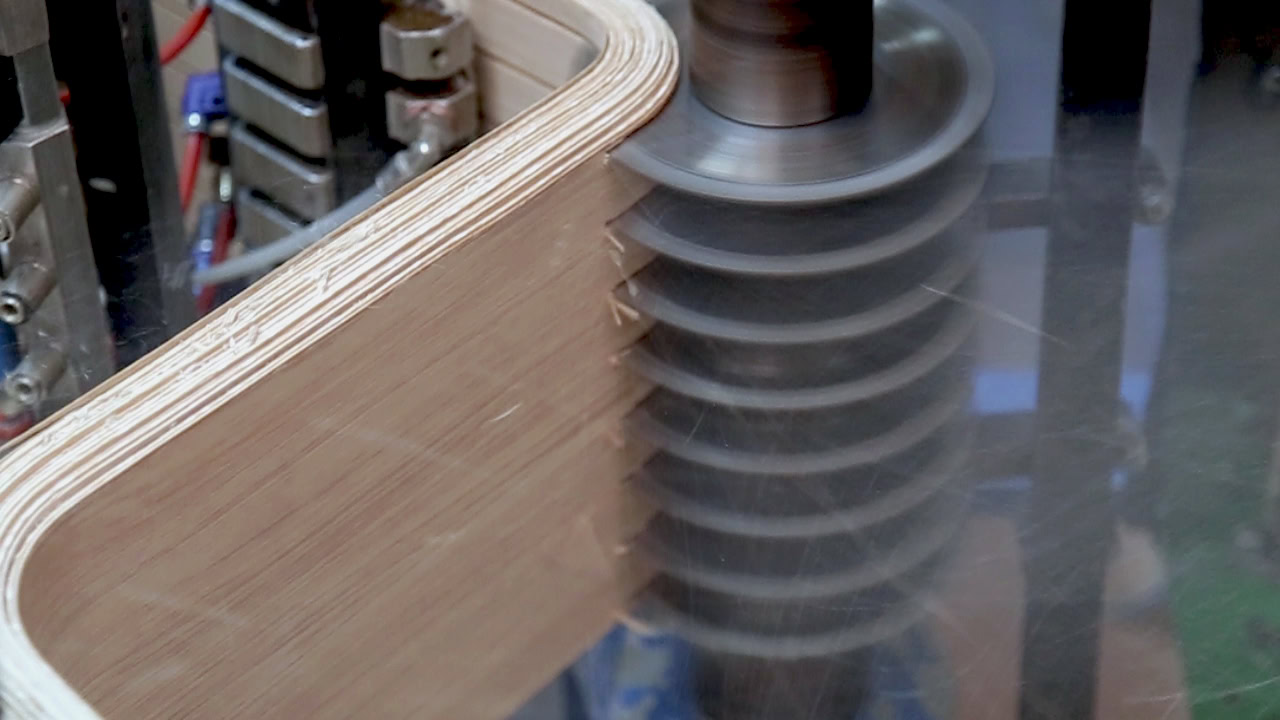
Theo’s appearance is a direct result of its method of manufacture. The tying together of the front and back legs, now a defining visual feature of the range, emerged as a structural response to the behaviour of laminated timber. This detail provides stability while stacking and gives the chair its calm, architectural character.
There is no applied decoration or stylistic excess. The structure does the visual work, and the form reflects what the material and process allow. This honesty gives Theo a clarity that allows it to sit comfortably in a wide range of interiors without dominating them.
A RANGE THAT GROWS WITH INTEGRITY
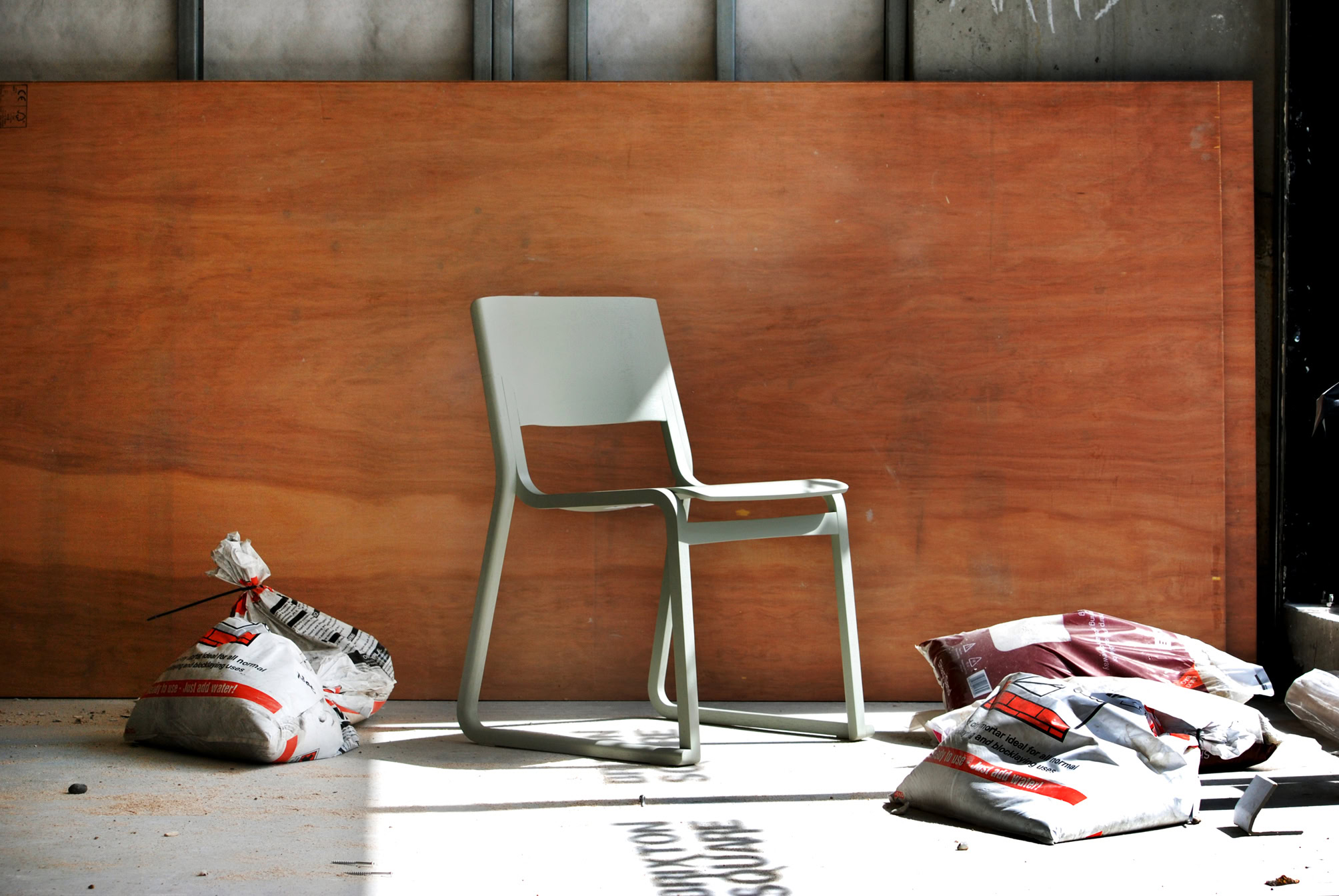
Over time, the original chair has been joined by stools, benches and tables, each developed to relate proportionally and visually to the first design. Today, the Theo range includes more than twenty pieces, all connected by a shared constructional logic and material language.
This scalability has been deliberate rather than reactive. New products have only been introduced where the original idea could be extended meaningfully. As a result, the range can be used across different settings, workplaces, hospitality environments, churches and public spaces, without losing coherence or feeling repetitive.
Different pieces sit comfortably together, allowing designers to create varied layouts while maintaining a consistent visual and structural language.

LONGEVITY AS A DESIGN OUTCOME
Theo was never intended to follow trends. Its relevance comes from restraint, durability and a clear sense of purpose. Designed for repeated handling and long-term use, it reflects an approach to furniture where longevity is the primary measure of success.
Some 15 years on, Theo remains defined less by change and more by continuity. It shows how thoughtful material choices, honest construction and careful development can result in furniture that continues to work across new contexts and evolving spaces.
For those who value furniture not just for how it looks, but for how it performs over time, Theo offers a clear reminder that enduring design is rarely loud, and rarely rushed.